
Hair Transplant Recovery Timeline Step by Step – 12 Months Including Donor Area
Wondering how long recovery takes after a hair transplant? Discover the full 12-month hair transplant recovery timeline step by step, including donor area healing and tips for optimal results.
Hair transplant surgery—whether FUE, DHI, or Sapphire FUE—is a life-changing procedure for those suffering from hair loss. But understanding the hair transplant recovery timeline step by step over 12 months, especially how the donor area heals, is crucial for realistic expectations and proper aftercare.
In this guide, we’ll explain in detail what happens each month, how your scalp recovers, and what results you can expect—from day 1 to month 12.
✅ Day 1–7: Immediate Recovery and Initial Healing
- What Happens:
Right after the procedure, both the recipient and donor areas may appear red, swollen, and sensitive. Tiny scabs will form around each graft. - Donor Area:
If FUE or Sapphire FUE was used, you’ll notice tiny extraction points. These typically begin to close within 48–72 hours. - Care Instructions:
- Sleep with your head elevated.
- No scratching or touching.
- Use saline spray and post-op shampoo as instructed.
✅ Week 2–3: Scab Shedding & Shock Loss
- What Happens:
Scabs start falling off naturally. Some implanted hairs may begin to shed—this is called shock loss and is completely normal. - Donor Area:
Healing accelerates. Redness and irritation fade, and hair around extraction points begins to regrow. - Care Tips:
- Do not force scab removal.
- Gentle shampooing is now allowed.
- Avoid sun exposure.
✅ Month 1: Dormant Phase Begins
- Recipient Area:
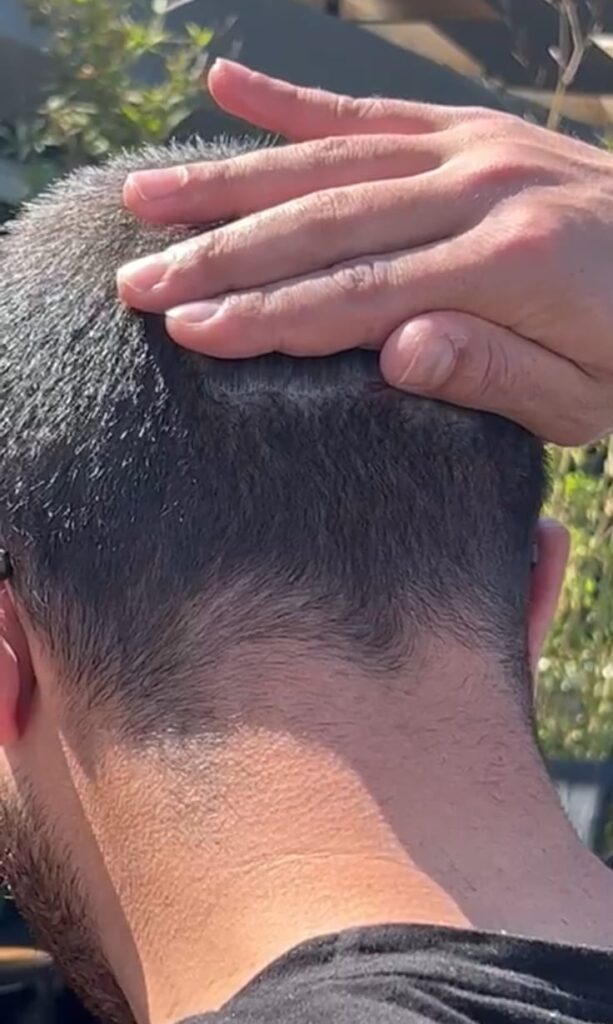
Most of the transplanted hairs will have shed by the end of the first month. This can be emotionally discouraging, but it’s a normal part of the cycle. - Donor Area:
Feels almost completely healed. Some minor numbness or tingling may remain but will fade over time. - Important:
Avoid harsh styling or chemicals.
✅ Month 2–3: Resting Phase & Under-the-Surface Growth
- What Happens:
New growth is not yet visible. The follicles are in the telogen (resting) phase, preparing to grow. - Donor Area:
By now, hair in the donor area should appear completely natural, with no visible scarring in FUE procedures. - Tips:
- Be patient!
- Continue proper scalp hygiene.
- Avoid alcohol, smoking, and excessive stress, which can delay healing.
✅ Month 4: Early Growth Appears
- What to Expect:
The first new hairs begin to emerge—thin, soft, and colorless at first. This is a sign that the anagen (growth) phase has started. - Donor Area:
Full recovery. Hair has camouflaged the extraction points. - Suggested Care:
Use hair growth serums or PRP treatments if recommended by your doctor.
✅ Month 5–6: Noticeable Improvement
- Recipient Area:
Hair thickens and begins to darken in color. Around 30–40% of total hair growth is visible. - Donor Area:
Fully recovered with no discomfort or visual difference. - Tips:
- Avoid hats or helmets that cause friction.
- Maintain a healthy diet rich in biotin, zinc, and protein.
✅ Month 7–8: Transformation Underway
- What Happens:
Hairs grow longer, gain texture, and blend naturally with existing hair. You’ll see noticeable improvement in coverage and density. - Donor Area:
100% back to normal in feel and appearance. - Care Suggestions:
Light styling can resume. Use gentle shampoos and avoid excessive heat.
✅ Month 9–10: Final Density Builds
- Results:
70–90% of new hairs have now emerged. The hairline and crown begin to show their final shape. - Donor Area:
If needed, some patients can consider a second session at this point depending on donor capacity. - Maintenance:
- Continue with vitamins (biotin, vitamin D, omega-3).
- PRP or mesotherapy may help further strengthen follicles.
✅ Month 11–12: Full Results Achieved
- Recipient Area:
By month 12, you should see the final result of your hair transplant. Hairs have thickened, matured, and taken on natural shape and strength. - Donor Area:
Fully healed, and indistinguishable from untouched areas, assuming proper post-op care was followed. - Now You Can:
- Get regular haircuts.
- Resume normal shampoo and styling routine.
- Enjoy a new, confident look!
📍 Donor Area Recovery Timeline
| Timeframe | Healing Progress |
|---|---|
| Day 1–7 | Redness, tiny open spots, mild sensitivity |
| Week 2 | Scabs fall off, redness fades |
| Month 1 | Hair regrowth around extractions begins |
| Month 2–3 | Full cosmetic healing, minor numbness may remain |
| Month 4+ | No visible signs of surgery, natural appearance |
🧴 Recommended Aftercare for Better Recovery
- Shampoos: Use only doctor-recommended pH-balanced shampoos.
- Supplements: Biotin, zinc, iron, and collagen support healing.
- Topicals: Minoxidil may be suggested after 1 month.
- Treatments: PRP (Platelet-Rich Plasma) boosts regrowth speed.
- Avoid: Sunburn, tight hats, heavy workouts in the first month.
✅ Is It Normal to Have Slow or Uneven Growth?
Yes. Every individual heals differently. The crown area especially takes longer—up to 14 months in some patients. Uneven growth usually evens out by month 12. Contact your doctor if you experience redness, infection, or excessive hair shedding after month 4.
🎯 Final Thoughts: 12-Month Hair Transplant Recovery Timeline
The hair transplant recovery process is a gradual journey—but incredibly rewarding. If you follow medical instructions, maintain proper scalp hygiene, and stay patient, you’ll enjoy natural, permanent results by the 12-month mark.
The donor area heals quickly—often within 2–3 weeks—but the full visual transformation takes a year. The key is to trust the process and choose an experienced clinic.
📞 Book a Free Consultation in Antalya
Want expert care with painless anesthesia, international standards, and affordable pricing? Contact Micro FUE Turkey Antalya today.
🌐 Visit www.microfueturkey.com
📱 WhatsApp: +90 552 532 48 48
Let me know if you’d like to turn this into a blog post layout, add internal links, or include infographics.