Donor Area Recovery After Hair Transplant: How to Encourage Faster Healing and Regrowth
Learn about donor area recovery after a hair transplant. Understand the healing process, step-by-step, and discover tips for faster recovery and hair regrowth.
Understanding Donor Area Recovery After a Hair Transplant
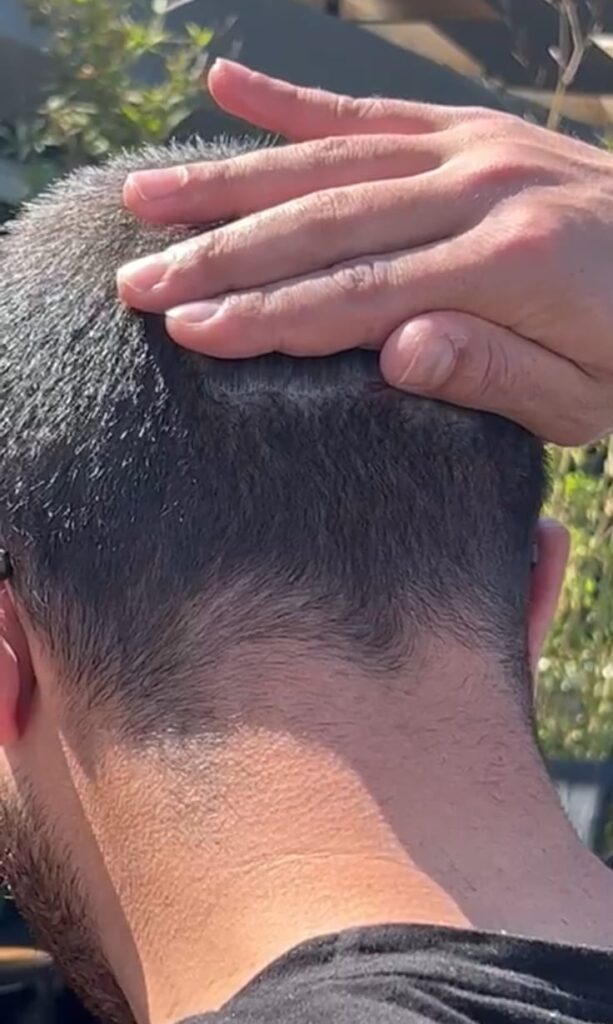
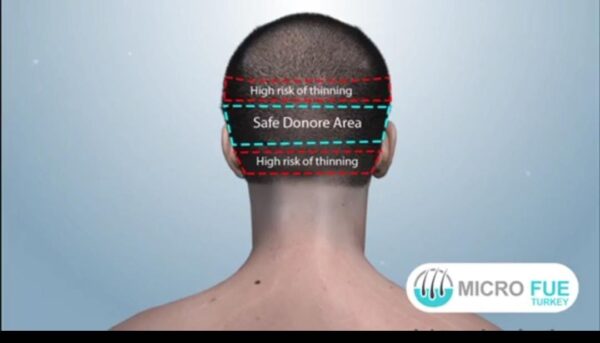
One of the most important aspects of a hair transplant is the recovery process, particularly in the donor area, which is typically the back of the head. This area plays a crucial role as the source of hair follicles for transplantation. Following a hair transplant, the donor area must go through a recovery phase, during which hair grows back and the skin heals.
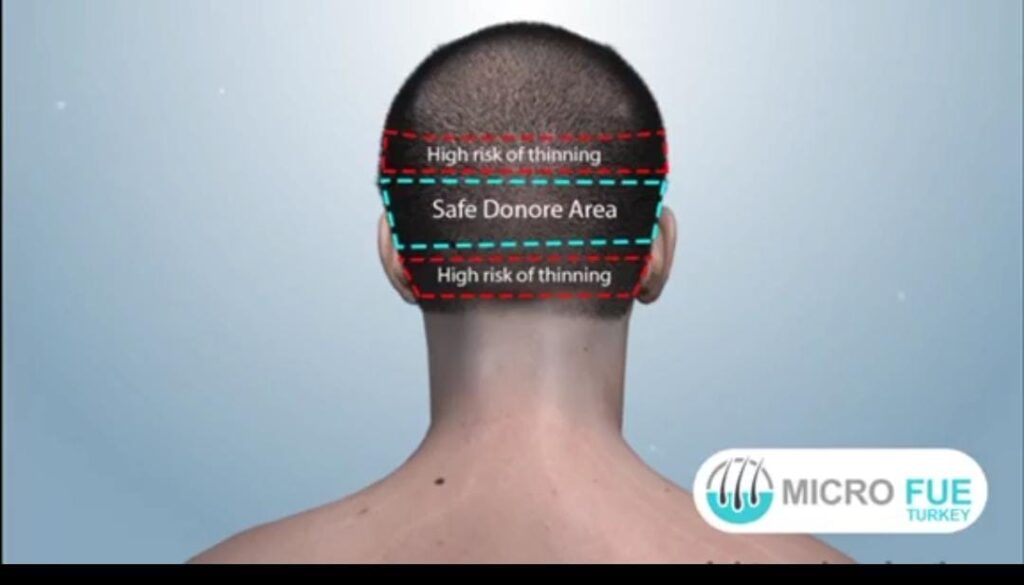
Understanding how the donor area recovers and how to accelerate this process is essential for anyone undergoing a hair transplant. In this article, we’ll explore how the donor area recovers, the key steps for healing, and practical tips to speed up recovery and promote healthy hair regrowth.
How Does the Donor Area Recover After a Hair Transplant?
The donor area is where hair follicles are harvested during a hair transplant, typically from the back or sides of the scalp. The recovery process for this area is vital for both the healing of the skin and the regrowth of hair. Here’s a breakdown of how the donor area recovers:
- Immediate Healing: After follicle extraction, the body begins the healing process. The scalp will form scabs and redness in the donor area. This initial phase lasts for the first 1-2 weeks after the procedure.
- Regrowth of Follicles: The follicles that were removed from the donor area will regenerate over the coming months. Within the first few weeks, new hair follicles will begin to form, and by 3 months, initial hair growth can be seen.
- Hair Growth Timeline: While the donor area heals, hair growth will not be immediate. It typically takes 6 to 12 months for the hair in the donor area to grow back fully.
Donor Area Recovery Process: Step-by-Step
The recovery of the donor area is a gradual process that requires careful attention. Here’s a detailed, step-by-step explanation of what to expect during the donor area recovery:
1. Immediate Aftercare: First Few Days
- Resting and Minimizing Stress: After your hair transplant, take time to rest. The first 48 hours post-surgery are the most critical, as the donor area is still in the healing phase. Minimize physical activities to avoid putting unnecessary strain on the area.
- Cleaning the Area: Your surgeon will provide instructions on how to gently clean the donor area. It’s essential not to rub or scrub the area aggressively, as this could disrupt the healing process.
2. Week 1: Redness and Swelling
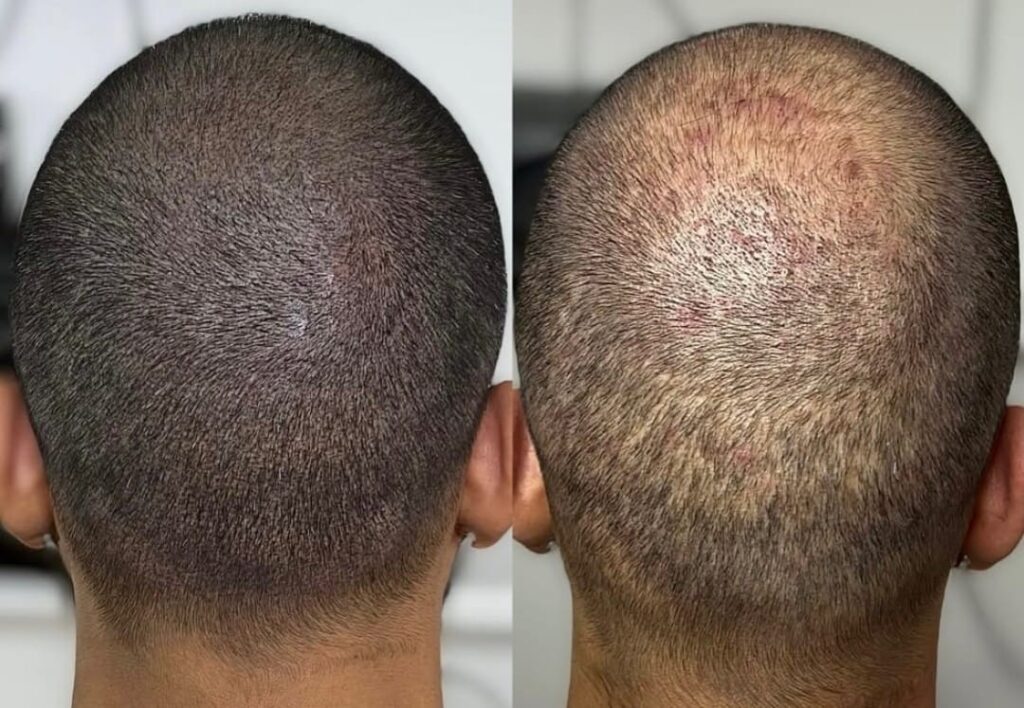
- Visible Redness: After the first few days, you may notice redness and slight swelling in the donor area. This is a natural part of the healing process. Most swelling should subside within the first week.
- Scabs Formation: The donor area may form scabs as the follicles heal. These scabs will naturally fall off in a few weeks.
3. Week 2 to Week 4: Continued Healing
- Scabs Falling Off: By the second week, you may notice the scabs falling off. The skin will continue to heal, and hair follicles will begin regenerating in the donor area.
- Slight Tenderness: It’s common to experience slight tenderness and itching during this time. Be sure to avoid scratching the donor area, as it could slow down the healing process or cause infection.
4. 1 to 3 Months: Initial Hair Growth
- New Hair Follicles: By the 1-3 month mark, hair follicles will begin to grow in the donor area. However, the new hair might initially be fine and thin. This early hair growth is normal, and the follicles will continue to mature over the next few months.
5. 3 to 12 Months: Full Recovery and Hair Regrowth
- Visible Hair Growth: By 6 to 12 months, the hair in the donor area will be much thicker and more natural. This marks the final stage of donor area recovery, where you’ll see significant hair regrowth.
Tips for Faster Recovery in the Donor Area
While the donor area will recover naturally over time, there are several steps you can take to encourage faster healing and promote healthy hair regrowth. Here are some practical tips:
1. Follow Post-Op Instructions
The most important factor in recovering quickly is following your surgeon’s post-op instructions carefully. These will be tailored specifically to your procedure, ensuring the best possible outcome for the donor area and overall hair regrowth.
2. Avoid Physical Strain
For the first few weeks post-surgery, avoid heavy lifting or strenuous physical activities. Activities like intense exercise can increase swelling and slow down the healing process.
3. Maintain a Healthy Diet
A healthy diet rich in vitamins and minerals is essential for faster healing. Focus on foods high in protein, biotin, and zinc to support healthy hair growth. Eating plenty of fruits and vegetables will also promote overall healing.
4. Hydrate and Rest
Staying hydrated helps with tissue repair, and getting adequate rest will allow your body to focus on healing the donor area. Avoid alcohol and smoking, as they can slow the healing process.
5. Protect the Donor Area from Sun Exposure
The donor area will be sensitive to the sun for the first few months after surgery. Protect it by wearing a hat or using sunscreen to prevent sunburn, which can delay recovery.
Internal Linking Opportunities:
- Understanding Hair Transplant Techniques: Learn about the different hair transplant methods such as FUE, Sapphire FUE, and DHI.
- Post-Op Hair Care: Explore more about hair transplant recovery and tips for a smooth healing process.
- Hair Transplant Aftercare Guide: Discover everything you need to know to ensure successful healing after your hair transplant.
Conclusion: Donor Area Recovery and Hair Regrowth
Understanding the donor area recovery process after a hair transplant is crucial for ensuring a smooth and successful procedure. By taking proper care of the donor area and following aftercare instructions, you can encourage faster healing and regrowth. Remember that patience is key, as the full recovery and hair growth process may take 6 to 12 months.
By maintaining a healthy lifestyle, avoiding strenuous activities, and taking the necessary steps to protect and nourish the donor area, you’ll promote quicker healing and enjoy the results of your hair transplant sooner.
If you’re planning to undergo a hair transplant, be sure to consult with experienced professionals who can guide you through every stage of recovery. With proper care, your donor area will recover beautifully, and you’ll enjoy natural, full hair regrowth.