

Why Dental Implants Fail: Essential Warnings for Foreign Patients Planning Dental Treatment in Turkey (2025 Guide)
A complete guide explaining why dental implants fail, risk factors, prevention tips, and what foreign patients must know before coming to Turkey for implant treatment.
Dental Implants in Turkey – A Popular but Serious Medical Procedure
Every year, thousands of international patients travel to Turkey for dental implant treatment, attracted by advanced clinics, experienced surgeons, and reasonable prices compared to Europe, the UK, and the USA. Dental implants offer one of the most successful and long-lasting solutions for missing teeth.
However, like any surgical procedure, dental implants can fail if certain conditions are not met. Implant failure is not extremely common, but it is important for patients traveling from abroad to understand the risk factors, causes, and prevention strategies. Knowing these details helps ensure a smoother treatment process, realistic expectations, and long-term success.
In this guide, you will learn the 10 most common reasons why dental implants fail and how to avoid them—especially if you are planning your dental treatment in Turkey.

1. Failure of Osseointegration
What Is Osseointegration?
Osseointegration is the biological process where the dental implant fuses with the jawbone. This is the foundation of the entire treatment. If the implant does not integrate properly, it becomes loose and cannot support a crown or bridge.
Common Causes of Osseointegration Failure:
- Poor bone quality or insufficient bone density
- Implant placed at the wrong angle or incorrect depth
- Early loading of the implant before the bone has healed
- Pre-existing bone loss or gum disease
Result:
If osseointegration does not occur, the implant will fail and must be removed. A second attempt can be made after bone regeneration or grafting.
2. Infections: Peri-Implantitis
What Is Peri-Implantitis?
Peri-implantitis is an infection that develops in the gums and bone around the implant. It causes inflammation, bone loss, and eventual implant loosening.
Causes:
- Poor oral hygiene
- Plaque and bacteria accumulation
- Smoking
- Weakened immune system
- Uncontrolled diabetes
Why It Matters:
Peri-implantitis is one of the leading causes of implant failure worldwide. Without proper hygiene and follow-up care, even a perfectly placed implant can fail.
3. Insufficient Bone Support
Why Bone Matters for Implant Success
Dental implants require strong and healthy bone to stay secure. If bone height or density is low, the implant may not stabilize.
Causes:
- Long-term tooth loss leading to bone resorption
- Gum infections that previously damaged bone
- Naturally thin or weak bone structure
Solutions:
In cases of bone loss, Turkish clinics often recommend:
- Bone grafting
- Sinus lifting
- Guided bone regeneration
These procedures rebuild bone and improve implant success rates.
4. Problems with Prosthetic Design or Excessive Force
Even if the implant integrates successfully, problems can arise later due to the artificial crown or bridge placed on top.
Common Issues:
- Poorly designed prosthetics
- Incorrect bite alignment
- Too much chewing pressure
- Bruxism (teeth grinding)
If the crown distributes pressure incorrectly, it can overload the implant, causing micro-movements and eventual failure.
For Foreign Patients:
Clinics in Turkey often complete implants and crowns in multiple visits. Ensure your bite feels comfortable, and request adjustments before traveling back home.
5. Smoking – A Major Risk Factor
Smoking significantly increases implant failure risk due to:
- Reduced blood circulation
- Slower healing
- Higher risk of infection
- Weaker immune response
Studies show that smokers have up to 2–3 times higher implant failure rates.
If You Smoke:
You should stop smoking at least 2 weeks before surgery and 8 weeks after, or the implant may fail.
6. Poor Oral Hygiene
Dental implants require excellent long-term hygiene. Patients who do not maintain proper care may develop peri-implant infections.
Risk Factors:
- Not brushing twice daily
- Not using dental floss
- Skipping follow-up dentist appointments
- Not cleaning the implant area properly
For Tourists:
Many foreign patients return to their countries after treatment. It is essential to continue dental check-ups in your home country every 6 months.
7. Diabetes and Systemic Health Conditions
Why Diabetes Matters
Uncontrolled diabetes slows healing and increases the risk of infection. Patients with stable, controlled blood sugar can safely receive implants—but monitoring is essential.
How It Causes Failure:
- Poor blood circulation delays healing
- Higher bacterial growth risk
- Lower immune system defense
Turkey’s clinics usually require blood tests before treatment for safety.
8. Immune System Disorders
Patients with weak immune systems may experience implant failure due to delayed healing.
Possible Causes:
- Cancer treatments
- Autoimmune diseases
- Immunosuppressive medications
- Severe anemia
If you have a medical condition, you must inform your dentist before traveling to Turkey.
9. Surgical Errors or Complications
Although rare, surgical mistakes can contribute to failure.
Examples:
- Incorrect implant angulation
- Damage to the sinus cavity
- Nerve injury
- Poor sterilization or contamination
- Overheating of the bone during drilling
Choosing a Qualified Clinic in Turkey
To minimize risks, choose clinics with:
- Experienced implant specialists
- CBCT 3D imaging
- Sterile operating environments
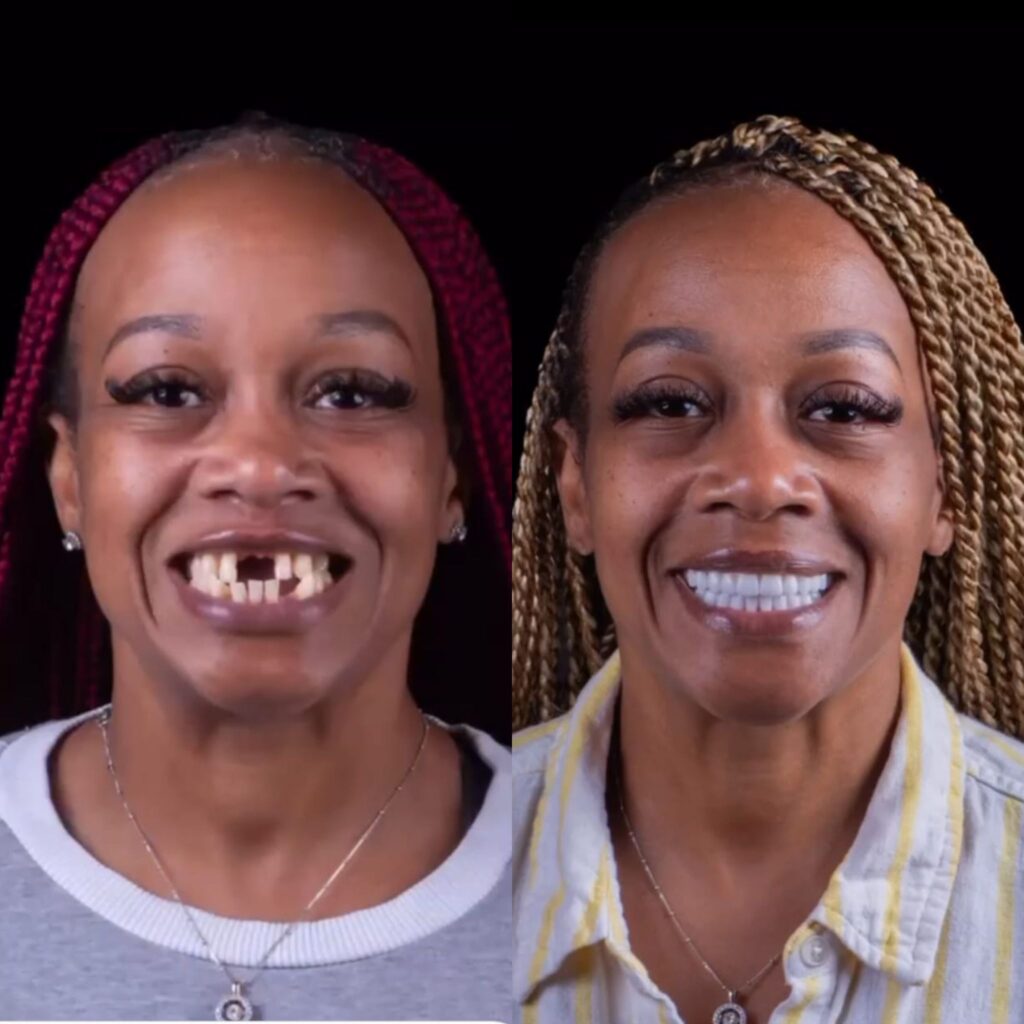
- Transparent before-after results
10. Teeth Grinding (Bruxism)
Bruxism puts extreme pressure on implants—especially at night.
How It Causes Failure:
- Micro-fractures in bone
- Loosening of the implant
- Cracks in the crown or bridge
Patients who grind their teeth should use a night guard after implant placement to protect their investment.
How to Prevent Dental Implant Failure – Especially for Foreign Patients Coming to Turkey
Foreign patients must be even more careful because follow-up visits may be limited after returning home. Here are essential tips:
✔ Choose a Reputable Clinic with Experienced Surgeons
Not every clinic offering low prices provides equal quality. Look for:
- International patient coordination
- 3D tomography imaging
- Certified implant brands
- Sterile surgical environment
- Real patient testimonials
✔ Follow All Pre-Surgery Instructions
These may include:
- Stopping smoking
- Pausing certain medications
- Completing blood tests
- Treating gum disease before implants
✔ Maintain Excellent Oral Hygiene After Surgery
To protect your implant:
- Brush twice daily
- Use antibacterial mouthwash
- Avoid extremely hard foods
- Attend check-ups every 6 months
✔ Avoid Immediate Excessive Loading
Do not chew hard foods on your new implant until your dentist confirms full bone integration.
✔ Manage Medical Conditions Carefully
If you have diabetes, hypertension, autoimmune disease, or other chronic issues, ensure they are controlled before treatment.

Dental Implants in Turkey Are Safe—But Education Prevents Failure
Dental implants in Turkey are highly successful when performed by skilled surgeons using proper materials and techniques. However, implant failure can occur if bone quality is low, hygiene is poor, systemic diseases are uncontrolled, or surgical mistakes happen.
By understanding the causes and preparing accordingly, international patients can significantly increase their treatment success rate and enjoy long-lasting, natural-looking results.
If you are planning to come to Turkey for dental implants, make sure to:
- Choose the right clinic
- Follow medical advice
- Maintain good oral hygiene
- Attend necessary follow-up visits
A well-planned dental journey ensures your smile remains strong for many years.