
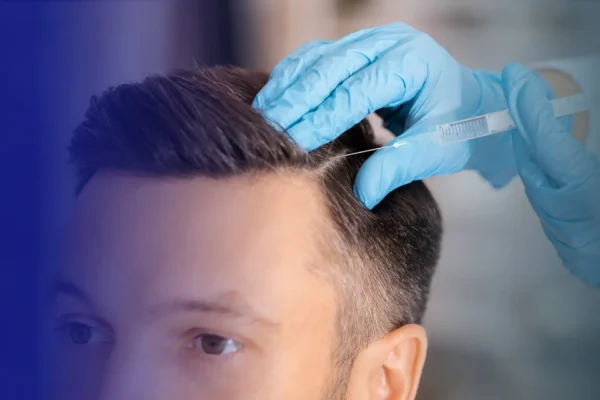
How PRP (Platelet-Rich Plasma) Is Used During Hair Transplant Procedures: Benefits and Post-Treatment Effects
How PRP (Platelet-Rich Plasma) Is Used During Hair Transplant Procedures. Hair transplant procedures have become increasingly sophisticated, with advancements like PRP (Platelet-Rich Plasma) therapy revolutionizing the process. PRP is now a widely recommended technique during and after hair transplant surgeries, offering a range of benefits that enhance results, promote healing, and improve overall hair health. This comprehensive guide explains how PRP is used during hair transplants, why it’s favored, and the advantages it provides post-procedure.
What Is PRP Therapy in Hair Transplants?
PRP therapy involves extracting a small amount of the patient’s blood, processing it to concentrate the platelets, and re-injecting the platelet-rich plasma into the scalp. Platelets are rich in growth factors, which are essential for tissue repair, cell regeneration, and stimulating dormant hair follicles.

In the context of hair transplants, PRP serves multiple purposes:
- Enhancing graft survival.
- Accelerating healing.
- Promoting the growth of new and existing hair.
How Is PRP Used During Hair Transplant Procedures?
1. Pre-Procedure Preparation
Before the hair transplant surgery begins:
- A small amount of the patient’s blood is drawn, usually from the arm.
- The blood is processed in a centrifuge to separate the plasma, which contains a high concentration of platelets.
- The PRP is prepared for injection into the scalp.
2. During Hair Transplant Surgery
PRP can be applied during various stages of the hair transplant process:
- Donor Area: PRP is injected into the donor area to promote healing and minimize scarring where hair follicles are extracted.
- Recipient Area: Once the follicles are implanted, PRP is applied to the recipient area to create a nourishing environment that supports the grafts’ survival and integration.
- Follicle Dipping: In some cases, hair follicles are soaked in PRP before implantation. This technique improves the grafts’ viability and enhances their ability to thrive in the new location.
3. Post-Surgery Application
After the transplant, PRP can be injected into the scalp to further accelerate healing and stimulate hair growth in both the transplanted and existing hair follicles.
Why Is PRP Highly Recommended During Hair Transplants?
1. Enhances Graft Survival
PRP provides a rich supply of growth factors that stimulate cell regeneration and repair. This ensures that transplanted hair follicles receive the nutrients they need to survive and grow effectively.
2. Accelerates Healing
PRP promotes faster healing by reducing inflammation and improving blood flow to the treated areas. This minimizes discomfort and downtime after surgery.
3. Stimulates Hair Growth
Growth factors in PRP encourage dormant hair follicles to enter the active growth phase, improving the density and thickness of existing hair while supporting new growth.
4. Reduces Post-Surgical Side Effects
PRP reduces swelling, redness, and scarring, creating a more comfortable recovery experience for patients.
5. Improves Overall Hair Health
PRP therapy strengthens existing hair follicles, making them less prone to shedding or breakage.

Benefits of PRP Post-Hair Transplant
PRP’s benefits extend beyond the surgery itself. Many clinics recommend continued PRP sessions after the transplant to maximize results.
1. Enhanced Hair Growth
Regular PRP treatments post-surgery improve the growth rate of transplanted hair and increase its thickness.
2. Prevention of Hair Loss
PRP can help prevent the progression of androgenetic alopecia (male or female pattern baldness) by strengthening existing hair follicles.
3. Long-Lasting Results
Patients who receive periodic PRP treatments after their transplant often enjoy longer-lasting and more natural-looking results.
The PRP Procedure: Step-by-Step
1. Blood Collection
A small amount of the patient’s blood is drawn, similar to a routine blood test.
2. Centrifugation
The blood is placed in a centrifuge, a machine that spins rapidly to separate the plasma from red and white blood cells.
3. Platelet Concentration
The platelet-rich plasma is collected, containing a high concentration of growth factors and nutrients.
4. Injection
The PRP is injected into targeted areas of the scalp using a fine needle. This process is quick and minimally invasive.
Scientific Backing for PRP in Hair Transplants
Studies have shown that PRP significantly enhances the outcomes of hair transplant procedures. Research highlights include:
- Increased Graft Survival Rate: PRP-treated grafts show higher survival rates compared to those without PRP.
- Faster Healing: Patients treated with PRP experience quicker healing times and fewer complications.
- Improved Hair Density: Long-term studies indicate a noticeable increase in hair density with regular PRP sessions post-transplant.
Are There Any Risks or Side Effects?
PRP therapy is considered safe because it uses the patient’s own blood, eliminating the risk of allergic reactions or disease transmission. However, some minor side effects may include:
- Temporary redness or swelling at the injection site.
- Mild discomfort during the procedure.
- Rarely, slight bruising.
These effects are generally mild and resolve within a few hours to days.
Why PRP Is a Preferred Add-On to Hair Transplants
PRP has become an integral part of modern hair restoration procedures for its ability to improve outcomes and patient satisfaction.
- Natural Solution: PRP uses the body’s natural healing properties, ensuring a safe and organic approach.
- Minimal Downtime: Patients can resume normal activities shortly after the procedure.
- Comprehensive Results: By combining PRP with a hair transplant, patients achieve fuller, healthier hair more quickly.
Post-Treatment Care for PRP and Hair Transplants
1. Protect the Scalp

- Avoid sun exposure and harsh chemicals for a few days after the procedure.
- Follow your doctor’s instructions regarding washing and care.
2. Stay Hydrated
- Proper hydration supports healing and enhances the effectiveness of PRP.
3. Regular PRP Sessions
- Schedule follow-up PRP sessions as recommended by your doctor to maintain results.
4. Avoid Strenuous Activities Procedures.
- Refrain from intense physical activity for at least 24-48 hours post-treatment to minimize swelling.
Conclusion: Why PRP Is a Game-Changer in Hair Transplants
PRP has transformed the landscape of hair restoration by enhancing the effectiveness of hair transplants and improving patient outcomes. Its ability to accelerate healing, promote graft survival, and stimulate hair growth makes it a highly recommended addition to hair transplant procedures. Whether you’re considering a transplant or seeking to maintain your existing hair, PRP therapy offers a natural, safe, and effective solution for healthier, fuller hair.
By incorporating PRP into your hair restoration journey, you can achieve long-lasting, natural-looking results and enjoy the confidence that comes with a fuller head of hair.
Beware of Fake and Cheap PRP Treatments: How to Identify Authentic Providers and Conduct Research
Platelet-Rich Plasma (PRP) therapy has gained immense popularity as a natural and effective treatment for hair loss, skin rejuvenation, and other medical conditions. However, with its increasing demand, many providers offer fake or low-quality PRP treatments at suspiciously cheap prices, which can lead to ineffective results or even harmful side effects. This guide provides comprehensive information on how to identify genuine PRP treatments, research trustworthy providers, and ensure that you choose a clinic or hospital that prioritizes quality and safety.
What Is PRP Therapy and Why Is Quality Important?
PRP therapy involves extracting a small amount of the patient’s blood, processing it to concentrate platelets, and re-injecting this platelet-rich plasma into targeted areas. The platelets release growth factors that stimulate cell repair, regeneration, and healing.
The effectiveness of PRP depends heavily on the quality of the equipment used, the expertise of the provider, and the concentration of platelets. Cheap or fake PRP treatments may use poorly processed plasma with low platelet counts or substitute genuine PRP with saline or substandard materials, which compromises results and patient safety.
Risks of Fake or Low-Quality PRP Treatments Procedures.
Choosing a fake or low-quality PRP treatment can lead to the following risks:
- Ineffectiveness: Treatments may not produce the desired results, wasting your time and money.
- Infections: Poor hygiene and unsterilized equipment can cause severe infections.
- Allergic Reactions: Fake PRP may include synthetic substances that trigger allergic reactions.
- Permanent Damage: Improper administration or low-quality plasma can harm the treated area.
How to Identify Fake or Cheap PRP Treatments Procedures
1. Extremely Low Prices
- Genuine PRP treatments involve advanced technology and highly trained professionals, so they are never excessively cheap.
- If a clinic offers PRP at a price significantly lower than the industry average, it’s a red flag.
2. Lack of Transparency
- A reputable clinic will provide detailed information about their PRP process, including the equipment used, the concentration of platelets, and the procedure itself.
- If a provider is vague or refuses to answer questions, they may not offer genuine PRP.
3. No Qualified Medical Professionals
- PRP therapy should only be administered by licensed doctors or certified medical professionals.
- Avoid clinics where unqualified staff perform the procedure.
4. No Visible Centrifuge or Proper Equipment
- The centrifuge is an essential machine for separating platelet-rich plasma from blood.
- If a clinic doesn’t show or mention the centrifuge used, it could indicate they’re not processing authentic PRP.
5. No Pre-Treatment Consultation
- Authentic providers always conduct a thorough consultation to evaluate your needs and suitability for PRP.
- If no consultation is offered, it’s a sign of unprofessionalism and low standards.
How to Research Authentic PRP Providers
1. Check Licenses and Certifications Procedures
- Verify that the clinic or hospital is licensed by the relevant health authorities.
- Confirm that the doctors administering the PRP are certified and have training in regenerative medicine or aesthetic procedures.
2. Read Patient Reviews and Testimonials
- Look for reviews on trusted platforms like Google, RealSelf, or clinic websites.
- Pay attention to feedback about the clinic’s hygiene, professionalism, and results.
3. Investigate the Equipment Used
- Research the type of centrifuge and PRP kits the clinic uses.
- High-quality providers use FDA-approved or CE-certified equipment to ensure the concentration and purity of platelets.
4. Ask Detailed Questions
When contacting a clinic, ask the following:
- What type of centrifuge do you use for PRP?
- How do you ensure the concentration of platelets in the plasma?
- Is the procedure performed by a licensed doctor?
- Can you show before-and-after photos of past patients?
5. Compare Prices with Industry Standards
- Genuine PRP treatments typically cost between $300 and $800 per session, depending on the location and the provider’s expertise.
- Be cautious of prices significantly lower than this range.
Features of a Reliable PRP Provider
1. Licensed and Certified Clinic Procedures
- Look for clinics that are accredited by national or international health organizations.
2. Experienced Doctors
- The procedure should be performed or supervised by a licensed doctor with expertise in regenerative medicine.
3. Transparent Practices
- The clinic should clearly explain the PRP process, show you the equipment, and answer all your questions.
4. Hygienic Environment
- Ensure that the clinic adheres to strict hygiene and sterilization standards to prevent infections.
5. Comprehensive Consultation
- A good provider will evaluate your condition, discuss your goals, and customize the treatment to your needs.
How to Spot Fake PRP from Visual Cues
- Color of Plasma: Genuine PRP has a golden or light yellow color. Plasma that is clear or dark may not be authentic.
- Injection Sites: Reputable clinics mark the injection sites carefully and use sterile techniques. Sloppy practices indicate unprofessionalism.
Tips for Ensuring Quality PRP Treatment Procedures
1. Research Before Booking Procedures.
Take time to investigate the clinic, read reviews, and compare providers in your area or chosen destination.
2. Avoid Suspicious Discounts
While promotions are common, extremely low prices may signal substandard treatments.
3. Verify Credentials Procedures.
Ensure that the clinic and staff are certified by reputable health organizations.
4. Seek Recommendations
Ask for recommendations from trusted sources, such as your dermatologist, hair specialist, or friends who have had PRP treatments.
Where to Find Reliable PRP Providers
1. Reputable Hospitals
- Hospitals with dedicated departments for regenerative medicine or aesthetics are more likely to offer genuine PRP.
2. Certified Aesthetic Clinics
- Look for clinics that specialize in hair restoration or aesthetic treatments and have positive patient reviews.
3. Professional Directories
- Use platforms like RealSelf, WhatClinic, or Zocdoc to find licensed PRP providers in your area.
Post-Treatment Care for PRP Procedures
A reliable provider will always offer detailed aftercare instructions to maximize results. Typical recommendations include:
- Avoiding sun exposure for a few days.
- Not washing the treated area for 24 hours.
- Using prescribed products to support healing.
Conclusion: Prioritize Quality Over Cost Procedures..
While it may be tempting to choose a provider offering cheap PRP treatments, the risks of fake or low-quality PRP far outweigh the cost savings. Authentic PRP requires advanced equipment, skilled professionals, and rigorous safety standards, which come at a reasonable price.
By conducting thorough research, asking the right questions, and verifying the clinic’s credentials, you can ensure that your PRP treatment is safe, effective, and worth your investment. Always prioritize quality and trust reputable providers for the best results.
PRP Products Used in the USA, UK, and Europe: A Comparative Overview
Platelet-Rich Plasma (PRP) therapy has become a leading treatment in regenerative medicine, aesthetics, and hair restoration. The quality and effectiveness of PRP treatments largely depend on the equipment and products used during the procedure. In this article, we compare the popular PRP kits and products used in the USA, UK, and Europe, highlighting their features and differences.
What Are PRP Kits and Why Are They Important?
PRP kits are specialized tools used to extract and process platelet-rich plasma from a patient’s blood. These kits ensure the plasma is concentrated with platelets, which contain growth factors essential for stimulating healing, tissue regeneration, and hair growth.
Choosing the right PRP kit is crucial for achieving optimal results. The differences in kits across regions like the USA, UK, and Europe stem from variations in regulations, technology, and manufacturing practices.
Top PRP Kits and Systems in the USA
1. RegenLab
- Features: FDA-cleared and widely used in the USA, RegenLab kits are known for their simplicity and effectiveness.
- Advantages:
- Produces high-quality PRP with minimal red blood cell contamination.
- Suitable for multiple applications, including hair restoration and skin rejuvenation.
- Why Popular in the USA: RegenLab adheres to strict FDA guidelines, ensuring safety and efficacy.
2. Eclipse PRP
- Features: A trusted brand offering a user-friendly system for PRP extraction.
- Advantages:
- Produces consistent results with high platelet concentrations.
- Compatible with various aesthetic and medical treatments.
- Why Popular in the USA: Highly regarded for its reliability and compliance with FDA standards.
3. EmCyte PurePRP
- Features: An advanced system that produces pure and concentrated PRP.
- Advantages:
- Customizable platelet concentrations for specific treatments.
- Minimal contamination of red and white blood cells.
- Why Popular in the USA: Preferred by physicians for its superior customization options.
Top PRP Kits and Systems in the UK
1. Cenegenics Elite PRP
- Features: A high-quality PRP kit designed for hair restoration and anti-aging treatments.
- Advantages:
- Focuses on platelet-rich and leukocyte-rich plasma.
- Delivers reliable results for medical and aesthetic purposes.
- Why Popular in the UK: Known for its compliance with UK’s stringent medical regulations.
2. Arthrex ACP Double Syringe System Procedures
- Features: A closed-system device for producing PRP in sterile conditions.
- Advantages:
- Reduces the risk of contamination.
- Easy to use for practitioners, with consistent output.
- Why Popular in the UK: Preferred for its safety and convenience.
3. Angel PRP System Procedures
- Features: Advanced technology for separating PRP with adjustable concentrations.
- Advantages:
- Allows precise control over platelet levels.
- Suitable for a wide range of medical and cosmetic treatments.
- Why Popular in the UK: Its precision and adaptability make it a favorite among top practitioners. V.
Top PRP Kits and Systems in Europe Procedures
1. Plasmolifting PRP Kit
- Features: Developed in Europe, this kit is designed specifically for aesthetic treatments.
- Advantages:
- Affordable without compromising quality.
- Easy to use with reliable results.
- Why Popular in Europe: Known for its accessibility and widespread availability.
2. T-LAB PRP Kits
- Features: A versatile kit that supports multiple PRP applications.
- Advantages:
- Provides high platelet concentration and purity.
- Designed for both medical and cosmetic uses.
- Why Popular in Europe: Its flexibility and affordability make it a popular choice.
3. BTI Endoret PRGF
- Features: A sophisticated system developed in Spain, focusing on regenerative medicine.
- Advantages:
- Highly effective in producing plasma with a precise concentration of growth factors.
- Backed by scientific studies and research.
- Why Popular in Europe: Trusted for its proven track record in clinical settings.
Comparison of PRP Systems in the USA, UK, and Europe
| Feature | USA | UK | Europe |
|---|---|---|---|
| Regulations | Strict FDA guidelines | Rigorous MHRA standards | CE-certification standards |
| Popular Systems | RegenLab, Eclipse, EmCyte | Cenegenics, Arthrex, Angel | Plasmolifting, T-LAB, BTI Endoret |
| Focus | High customization | Safety and consistency | Affordability and accessibility |
| Applications | Medical and aesthetic | Primarily aesthetic | Aesthetic and regenerative |
| Price Range | High | Moderate to high | Moderate |
Key Takeaways Procedures
- The USA leads in PRP systems with advanced customization options and strict FDA approval, ensuring high-quality treatments.
- The UK prioritizes safety and consistency, with systems like Arthrex and Angel dominating the market V.
- Europe offers a mix of affordability and accessibility, with products like Plasmolifting gaining widespread popularity.
Choosing the right PRP kit depends on your location, treatment goals, and budget. Whether you’re seeking hair restoration or skin rejuvenation, selecting a provider that uses high-quality PRP systems is essential for optimal results. Always consult with certified professionals to ensure the safety and efficacy of your PRP treatment.