
Essential Information and Recommendations
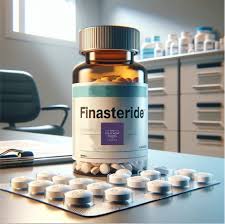
Finasteride is a widely recognized medication used primarily to treat male pattern baldness (androgenetic alopecia) and benign prostatic hyperplasia (BPH). Developed initially to treat prostate enlargement, its benefits for hair loss were discovered as a secondary effect, leading to its approval for this purpose. This article explores who should use finasteride, who should avoid it, the appropriate age range for its use, and its role in hair transplant procedures.
What Is Finasteride?
Finasteride is a 5-alpha-reductase inhibitor. It works by reducing the conversion of testosterone into dihydrotestosterone (DHT), a hormone that plays a significant role in hair loss. By lowering DHT levels, finasteride can slow hair loss and even promote regrowth in some men.
The medication is available in two dosages:
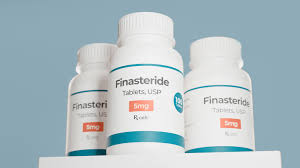
- 1 mg tablet: Specifically for treating androgenetic alopecia.
- 5 mg tablet: Prescribed for benign prostatic hyperplasia.
Who Should Use it ?

Finasteride is primarily recommended for:
- Men Experiencing Hair Loss:
- Men with androgenetic alopecia, particularly those in the early stages, benefit most from finasteride.
- It’s effective for maintaining hair density on the crown and mid-scalp areas.
- Men Concerned About Prostate Health:
- Those diagnosed with BPH often use the 5 mg version to reduce prostate size and symptoms like difficulty urinating.
- Hair Transplant Candidates:
- Men planning to undergo hair transplantation are often advised to use finasteride to prevent further hair loss around the transplanted area.
- Men Between 18 and 50 Years Old:
- Finasteride is most commonly prescribed for adult men in this age range, as it’s less effective for older men whose hair follicles may already be significantly miniaturized.
Who Should Avoid Finasteride?
While finasteride offers proven benefits, it is not suitable for everyone. The following groups should avoid it:
- Women:
- Finasteride is not approved for use by women, especially during pregnancy, as it can cause severe birth defects.
- Children and Adolescents:
- The medication is not intended for individuals under 18 years old.
- Men with Severe Liver Issues:
- Finasteride is metabolized in the liver. Those with liver conditions should consult a doctor before using it.
- Men Trying to Conceive:
- Some studies suggest that finasteride may impact sperm count and quality. Men planning to start a family should discuss alternative treatments with their healthcare provider.
- Men Allergic to Finasteride:
- Rare cases of hypersensitivity reactions have been reported.
At What Age Should Finasteride Be Started or Avoided?
- Ideal Age to Start:
- Men in their 20s and 30s who notice early signs of hair loss are ideal candidates. Starting early helps preserve existing hair and prevents further loss.
- When to Avoid:
- Men over 50 may see limited benefits, as hair follicles are often less responsive to treatment after prolonged exposure to DHT.
Should Finasteride Be Stopped Before a Hair Transplant?
Stopping or continuing finasteride before a hair transplant depends on individual circumstances. Here are some key considerations:

- Before Surgery:
- Finasteride does not typically need to be stopped before a hair transplant unless advised by a surgeon. It does not interfere with the surgical process or anesthesia.
- However, some individuals experience shedding when starting or stopping finasteride. Therefore, consistency is recommended in the months leading up to surgery.
- During the Recovery Period:
- Continuing finasteride after surgery is often recommended to maintain the surrounding native hair and prevent further loss.
Should Finasteride Be Used After a Hair Transplant?
Yes, finasteride can be a valuable part of post-transplant care. Here’s why:
- Preserving Native Hair:
- Hair transplants address areas where hair is already lost, but they do not stop ongoing hair loss in non-transplanted regions. Finasteride helps stabilize hair loss in these areas.
- Improving Overall Results:
- Combining finasteride with hair transplantation can enhance the overall aesthetic outcome by maintaining the density of native hair around transplanted grafts.
- Preventing Further Hair Loss:
- Most men who undergo a hair transplant continue to lose hair in untreated areas. Finasteride minimizes this risk.
When and How to Use Finasteride
- Dosage and Frequency:
- Take a 1 mg tablet daily, preferably at the same time each day.
- Duration:
- Finasteride is a long-term treatment. Most men see noticeable results after three to six months of consistent use. However, discontinuing the medication will reverse its effects within 12 months.
- Monitoring Progress:
- Regular check-ups with a dermatologist or hair specialist are essential to monitor progress and address any side effects.
- Combination with Other Treatments:
- Finasteride can be combined with topical treatments like minoxidil or PRP (Platelet-Rich Plasma) therapy for enhanced results.
Potential Side Effects and Risks
While generally well-tolerated, finasteride does have potential side effects:
- Common Side Effects:
- Decreased libido
- Erectile dysfunction
- Reduced ejaculate volume
- Less Common Side Effects:
- Breast tenderness or enlargement (gynecomastia)
- Depression or anxiety
- Allergic reactions like rash or swelling
- Post-Finasteride Syndrome (PFS):
- A rare but controversial condition where side effects persist even after discontinuing the medication.
Men experiencing any side effects should consult their doctor immediately.
Tips for Using Finasteride Effectively
- Start Early:
- Begin treatment as soon as you notice signs of hair loss for the best chance of preserving hair.
- Be Consistent:
- Missing doses reduces the effectiveness of the medication.
- Combine with Other Treatments:
- Use finasteride alongside other therapies like minoxidil, PRP, or low-level laser therapy for a multi-faceted approach.
- Consult a Specialist:
- Work with a dermatologist or trichologist to tailor your hair restoration plan.
- Be Patient:
- Hair regrowth takes time. Stick to the treatment for at least six months before assessing its effectiveness.
Finasteride
Finasteride is a powerful tool in the fight against hair loss and a valuable adjunct to hair transplant procedures. While it is not suitable for everyone, men between 18 and 50 years old experiencing androgenetic alopecia are the primary candidates. For the best results, finasteride should be used consistently, often in combination with other treatments. However, potential users must weigh the benefits against possible side effects and consult a healthcare professional to determine if it’s right for them.
Whether used as a standalone treatment or part of a post-transplant maintenance plan, finasteride has helped countless men preserve their hair and confidence. By understanding its proper use and limitations, you can make an informed decision about incorporating it into your hair restoration journey.
FAQs About Finasteride: Everything You Need to Know
Finasteride is a well-known medication used for treating hair loss and benign prostatic hyperplasia (BPH). If you are considering using this medication, you may have questions about its effectiveness, side effects, and other aspects. Below, we provide a comprehensive FAQ about Finasteride to address common queries.
1. What is Finasteride?
Finasteride is a prescription medication primarily used for two conditions:
- Male Pattern Baldness (Androgenetic Alopecia): Finasteride helps slow hair loss and, in some cases, promotes hair regrowth.
- Benign Prostatic Hyperplasia (BPH): It reduces the size of an enlarged prostate, improving urinary flow and related symptoms.
It belongs to a class of drugs called 5-alpha-reductase inhibitors, which block the conversion of testosterone to dihydrotestosterone (DHT), a hormone associated with hair loss and prostate growth.
2. How does Finasteride work?
Finasteride inhibits the enzyme 5-alpha-reductase, responsible for converting testosterone into DHT. High levels of DHT contribute to hair follicle shrinkage in male pattern baldness and prostate enlargement in BPH. By reducing DHT levels, Finasteride helps combat these conditions.
3. Who can use Finasteride?
- For Hair Loss: Finasteride is approved for use by men aged 18 and older experiencing androgenetic alopecia.
- For BPH: Men diagnosed with an enlarged prostate can use it as part of their treatment plan.
It is not approved for use by women or children, though there are exceptions where doctors might prescribe it off-label for certain conditions.
4. Is Finasteride effective for hair loss?
Yes, clinical studies have shown that Finasteride is effective in treating male pattern baldness. Most men notice a significant reduction in hair loss, and some even experience hair regrowth. However, the effectiveness varies:
- Visible Results: Most users see improvement within 3 to 6 months.
- Consistency is Key: Finasteride must be taken daily to maintain results. Stopping the medication can reverse the benefits within 12 months.
5. What is the recommended dosage for Finasteride?
- For hair loss: The typical dosage is 1 mg per day.
- For BPH: The standard dosage is 5 mg per day.
Always follow your doctor’s prescription and avoid altering doses without medical advice.
6. What are the common side effects of Finasteride?
While Finasteride is generally well-tolerated, some users may experience side effects, including:
- Decreased libido
- Erectile dysfunction
- Reduced semen volume
- Breast tenderness or enlargement
These side effects are rare and often improve after discontinuing the medication. If symptoms persist, consult your doctor.
7. Are there long-term side effects of using Finasteride?
Long-term use of Finasteride is considered safe for most individuals. However, some reports suggest persistent sexual side effects, even after stopping the medication. This condition is referred to as Post-Finasteride Syndrome (PFS) and remains a topic of ongoing research. Always discuss the risks and benefits with your healthcare provider.
8. Can women use Finasteride?
Finasteride is not approved for use by women, especially those who are pregnant or planning to become pregnant. The medication can cause serious birth defects in male fetuses. Women should avoid handling crushed or broken Finasteride tablets.
9. How long does Finasteride take to show results?
For hair loss, results can vary from person to person:
- Initial Improvement: Visible reduction in hair loss is often seen within 3 months.
- Full Results: Maximum hair regrowth and stabilization of hair loss may take up to 12 months.
For BPH, improvements in urinary symptoms are generally noticed within 6 months.
10. Can I take Finasteride with other hair loss treatments?
Yes, Finasteride is often combined with other treatments such as:
- Minoxidil: A topical solution or foam that promotes hair regrowth.
- PRP Therapy (Platelet-Rich Plasma): Enhances hair follicle health.
- Hair Transplants: Finasteride helps maintain transplanted hair.
Consult your doctor before combining treatments to ensure safety and effectiveness.
11. Is Finasteride a lifelong treatment?
If you are using Finasteride for hair loss, you may need to take it indefinitely to maintain results. Discontinuing the medication will likely lead to a resumption of hair loss. For BPH, the duration of treatment depends on the progression of symptoms and your doctor’s recommendations.
12. Does Finasteride affect fertility?
Finasteride may reduce semen volume, which could potentially impact fertility. However, most men taking Finasteride do not experience significant issues with fertility. If you are trying to conceive, discuss the risks with your doctor.
13. Can Finasteride cause depression?
Some users have reported mood changes, including depression, while taking Finasteride. Although these cases are rare, it’s important to monitor your mental health and seek medical advice if you notice any changes in mood or behavior.
14. How do I store Finasteride?
Store Finasteride in a cool, dry place, away from direct sunlight and moisture. Keep it out of reach of children and pets.
15. Is a prescription required for Finasteride?
Yes, Finasteride is a prescription medication. You will need to consult a healthcare provider to obtain a prescription.
16. Can Finasteride regrow a full head of hair?
Finasteride is most effective at stopping hair loss and maintaining existing hair. While some users may experience significant regrowth, it’s unlikely to fully restore a completely bald scalp. Combining treatments may yield better results.
17. Is Finasteride safe for long-term use?
Yes, studies suggest that Finasteride is safe for long-term use under medical supervision. Regular check-ups with your doctor can help monitor for any adverse effects.
18. Are there alternatives to Finasteride?
Yes, alternatives include:
- Minoxidil: A topical solution for hair regrowth.
- Dutasteride: Another 5-alpha-reductase inhibitor, often used off-label for hair loss.
- Natural Remedies: Saw palmetto supplements are sometimes used, though their effectiveness is not as well-documented.
19. Can Finasteride be used with alcohol?
There are no known interactions between Finasteride and alcohol. However, excessive alcohol consumption may exacerbate hair loss or BPH symptoms, so moderation is advised.
20. How much does Finasteride cost?
The cost of Finasteride depends on the brand, dosage, and location. Generic versions are often more affordable than branded ones like Propecia. Check with your pharmacy or insurance provider for pricing details.
21. What should I do if I miss a dose of Finasteride?
If you miss a dose, take it as soon as you remember. If it’s close to your next dose, skip the missed one and continue your regular schedule. Do not double the dose to make up for the missed one.
22. Can Finasteride prevent hair loss completely?
Finasteride is highly effective at slowing hair loss, but it cannot prevent it entirely for everyone. Genetic factors and other variables may still contribute to hair thinning over time.
23. What should I discuss with my doctor before starting Finasteride?
Before starting Finasteride, inform your doctor about:
- Any allergies or medical conditions
- Current medications or supplements
- Plans for conceiving a child
- Past reactions to similar medications
24. Can Finasteride be taken on an empty stomach?
Yes, Finasteride can be taken with or without food. Swallow the tablet whole with water.
25. Are there natural alternatives to Finasteride?
Some individuals explore natural remedies like:
- Saw Palmetto: Believed to block DHT.
- Pumpkin Seed Oil: Contains nutrients that may support hair health.
- Biotin and Zinc: Promote overall hair strength and growth.
While these alternatives may have mild benefits, they are not as effective as Finasteride.
This FAQ aims to address your concerns about Finasteride. Always consult your doctor for personalized advice and information.
Hair Loss Treatment in Turkey: Price Comparison with the UK and Europe, Brands, and Where to Buy
Medications commonly used to treat male pattern baldness and benign prostatic hyperplasia have gained worldwide recognition for their efficacy. For those considering purchasing such treatments, Turkey offers a competitive market compared to the UK and Europe. In this article, we will compare prices, evaluate available brands, discuss the advantages of buying from Turkey, and explore where you can purchase these medications.
Price Comparison: Turkey vs. UK and Europe
Prices for these treatments vary significantly between Turkey, the UK, and Europe due to differences in healthcare systems, manufacturing costs, and government regulations.
- Turkey: The price of hair loss treatments in Turkey is highly affordable. A monthly supply (28 tablets of 1 mg) typically costs between 50-150 TRY (approximately £2-5 GBP or 2.5-6 EUR). Generic versions are widely available, further reducing costs.
- UK: In the UK, these treatments are considerably more expensive, especially when purchased privately without NHS prescriptions. Prices range from £25-50 GBP (approximately 850-1,700 TRY) per month for branded versions like Propecia. Generic options are slightly cheaper but still significantly costlier than in Turkey.
- Europe: Across Europe, prices vary depending on the country. In Germany, Spain, and France, branded options like Propecia can cost between 30-60 EUR (approximately 900-1,800 TRY) for a monthly supply. Generic alternatives bring the price down to around 20-40 EUR, still higher than Turkey’s rates.
Available Brands and Generic Options
Turkey’s pharmaceutical market offers a mix of internationally recognized brands and locally produced generics.
- Branded Options:
- Propecia: The most well-known brand, manufactured by Merck, is available in Turkey but at a fraction of the cost compared to the UK and Europe.
- Proscar: Typically prescribed for prostate conditions, Proscar (5 mg tablets) can be split into smaller doses for hair loss treatment, making it a cost-effective alternative.
- Generic Alternatives:
- Turkish pharmacies stock various generic versions, such as those produced by Abdi İbrahim, Deva, and Sanofi. These generics meet international quality standards and are significantly cheaper than branded options.
Advantages of Buying Hair Loss Treatments from Turkey
- Cost Savings:
- Turkey’s prices are among the lowest globally due to government pricing regulations and low manufacturing costs. Even with shipping or travel expenses, buying these medications from Turkey can be more economical for international buyers.
- Quality Assurance:
- Turkish generics are manufactured under strict quality controls and are approved by the Turkish Ministry of Health. Many production facilities adhere to European Union Good Manufacturing Practices (GMP).
- No Prescription Challenges:
- In Turkey, such medications are often available over the counter (OTC) in many pharmacies, making them easier to obtain compared to stricter prescription requirements in the UK and some European countries.
Where to Buy Hair Loss Treatments in Turkey
- Pharmacies:
- These medications are widely available in Turkish pharmacies. Major cities like Istanbul, Ankara, and Izmir offer a vast network of pharmacies where you can find both branded and generic versions. Prices are regulated, so there is little variation between different locations.
- Online Pharmacies:
- Some Turkish pharmacies have online platforms that cater to both domestic and international customers. Ensure you choose a reputable pharmacy to guarantee genuine products.
- Medical Tourism Clinics:
- Medical tourism is booming in Turkey, and many clinics specializing in hair transplants and related treatments offer these medications as part of their post-procedure care packages. These clinics often provide convenience by bundling the medication with other services.
Considerations When Buying Hair Loss Treatments from Turkey
- Authenticity:
- Always purchase from licensed pharmacies to avoid counterfeit products.
- Customs Regulations:
- If you plan to bring medications back to your home country, check the customs regulations regarding personal medication imports to avoid potential issues.
- Dosage and Usage:
- Consult a healthcare professional to ensure proper dosage and to monitor for potential side effects.
Is It Worth Buying These Medications in Turkey?
For many international buyers, purchasing hair loss treatments in Turkey offers significant cost savings without compromising on quality. Whether you are visiting Turkey for tourism, medical procedures, or simply want to take advantage of the affordable pharmaceutical market, these medications are a great buy. However, ensure you follow all legal and medical guidelines when purchasing and transporting the medication.
By understanding the price differences, evaluating available options, and knowing where to buy, you can make an informed decision and potentially save a considerable amount on your purchase.