
After Hair Transplant How Long Should You Care
Learn how long you should care for your scalp after a hair transplant. Step-by-step recovery timeline, aftercare tips, and expert advice for lasting results.
Understanding the Importance of Aftercare

A successful hair transplant does not end when you leave the clinic. The post-operation period is the most critical stage of your journey. Proper care ensures your new grafts heal, grow naturally, and deliver permanent, dense results. Many patients ask: “After a hair transplant, for how long should I care?” — The simple answer is for at least 12 months, but different stages require different levels of attention.
First 72 Hours: The Golden Healing Period
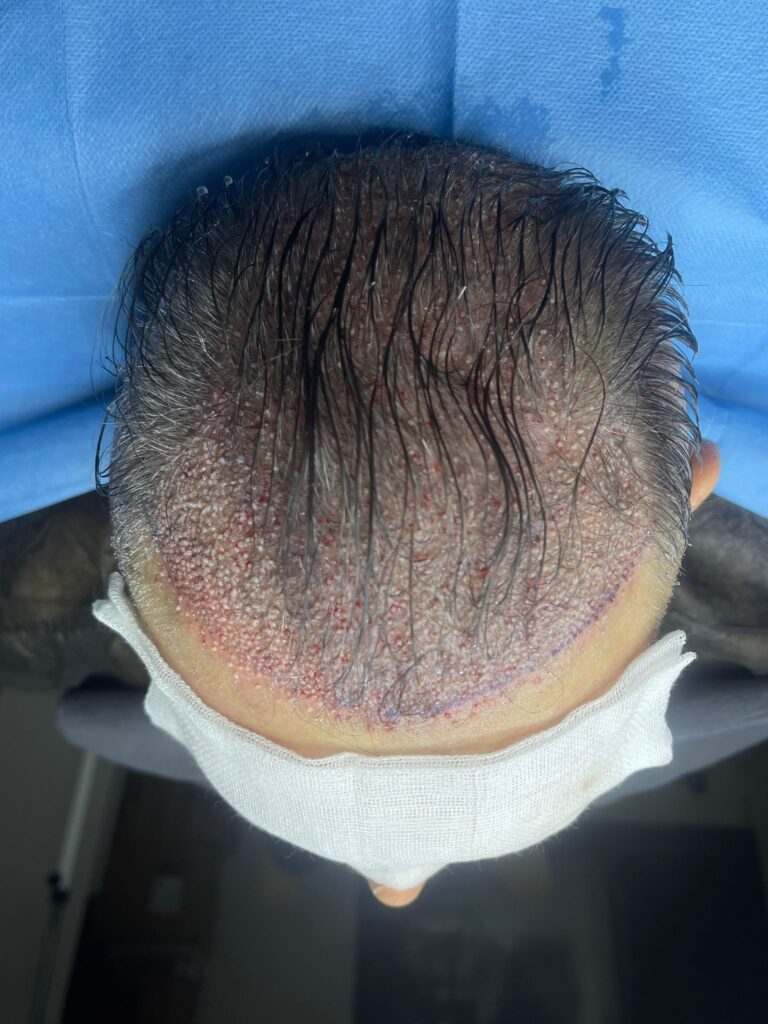
The first three days are crucial. During this time, your transplanted grafts are extremely delicate and must be protected from friction, pressure, and water.
Do not touch or scratch your scalp.
Sleep in an upright position at a 45-degree angle to avoid swelling.
Avoid hats, helmets, or tight caps that might dislodge grafts.
Use saline spray as instructed by your surgeon to keep the grafts hydrated.
In these first 72 hours, the body begins forming micro-blood vessels around the transplanted follicles. Any damage could permanently harm their survival rate.
Days 4–10: The First Wash and Recovery
Around the fourth day, patients usually start gentle washing with a special medical shampoo and foam provided by the clinic. Washing must be done carefully using fingertips, not nails.
Apply the foam on both donor and recipient areas, wait 10–15 minutes, and rinse with lukewarm water.
Do not rub or massage; let water flow gently.
Avoid direct sunlight and sweating.
By day 10, most scabs start to fall off naturally. This period is also when mild itching may occur — a normal sign of healing.
Weeks 2–4: The Shock-Loss Phase
Two to four weeks after the hair transplant, temporary hair shedding (shock loss) begins. This can be worrying, but it’s completely normal. The follicles remain intact beneath the skin, preparing for new growth.
During this time:
Continue gentle washing and moisturizing.
Avoid hair styling products or chemical shampoos.
Refrain from swimming in pools or the sea.
Protect your head from direct sunlight or heavy sweating.
The shock-loss phase usually ends around the 4th to 6th week. Patience is essential.
Months 2–4: The Dormant Period
At this stage, it may seem like nothing is happening. Don’t panic — the follicles are adapting to their new blood supply and entering a resting phase.
Continue following your surgeon’s aftercare advice:
PRP or Mesotherapy sessions can help stimulate early growth.
Maintain a healthy diet rich in biotin, zinc, and protein.
Avoid smoking and alcohol, which reduce circulation.
Use clinic-recommended hair care products such as the Mossi 6-Month Hair Care Set for nourishment and protection.
Consistency is the key to ensuring that your hair follicles remain strong and ready for regrowth.
Months 5–8: Visible Growth Begins
Most patients begin to notice visible new hair growth between the 5th and 8th months. The texture may feel thin or soft at first, similar to baby hair.
You can start using mild styling products and trimming gently.
Continue PRP sessions or vitamin treatments for enhanced density.
Protect the scalp from harsh UV rays or extreme cold.
During this period, the transplanted hair becomes stronger and starts blending naturally with your existing hair. This is when confidence starts to return.
Months 9–12: Full Maturation Phase
By the ninth month, the majority of your transplanted hair will have grown, though it will continue to thicken over time.
The hairline becomes more natural, and density improves.
Continue using nourishing shampoo and biotin supplements.
Patients can safely dye or style their new hair by month 12.
A final check-up or follow-up session at the clinic is recommended.
At this point, around 90–95% of transplanted grafts are visible. The results are considered permanent.
After 12 Months: Long-Term Maintenance
Even after the first year, ongoing care ensures your hair remains healthy. Although transplanted hair is permanent, the surrounding native hair can still thin over time due to genetic factors.
To maintain the best results:
Continue vitamin supplements and scalp massages.
Schedule annual PRP sessions to strengthen follicles.
Use non-sulfate, DHT-blocking shampoos for maintenance.
Keep regular communication with your clinic for follow-up advice.
Your hair transplant investment deserves continuous protection. With proper care, your results will last a lifetime.
Common Mistakes to Avoid
Many patients unintentionally damage their results by ignoring aftercare instructions. Some of the most common mistakes include:
Rubbing or scratching the transplanted area early on.
Using alcohol-based shampoos or sprays.
Exposing the scalp to strong sunlight or heat.
Smoking excessively, which limits blood circulation.
Skipping follow-up treatments like PRP.
Remember, a few months of discipline ensure years of natural, thick, and permanent hair.
Hair Transplant Care is a Long-Term Commitment
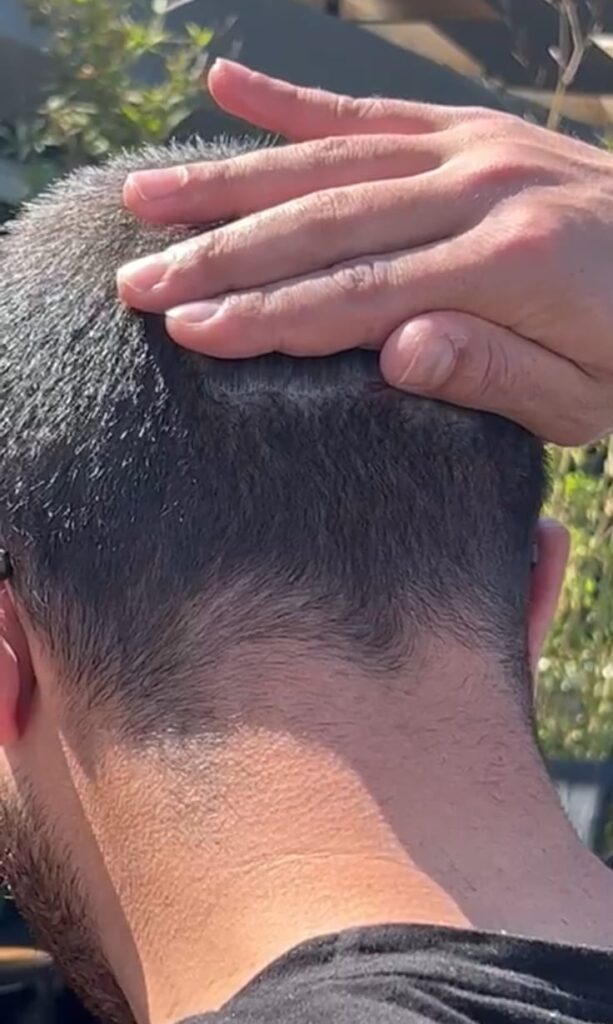
So, after a hair transplant, how long should you care? — The answer is 12 months of structured care, followed by lifetime maintenance for best results. Each stage of recovery — from the first wash to the final growth phase — plays a crucial role in achieving natural, healthy, and dense hair.
Patients who follow their aftercare plan carefully enjoy stronger, fuller, and more permanent results than those who don’t. Trust the process, stay patient, and let your new hair redefine your confidence.