

Eyebrow Transplant Techniques. Explore advanced eyebrow transplant techniques, including FUE and FUT, to achieve fuller, natural-looking brows. Learn about the procedure, recovery, and how to choose the right surgeon.
Introduction
Eyebrows frame the face, enhance expressions, and play a pivotal role in aesthetics. However, factors like over-plucking, aging, or medical conditions can lead to thinning or loss. Modern eyebrow transplant techniques offer a permanent solution, restoring both density and shape. This guide dives into the latest methods, candidacy, and outcomes to help you make an informed decision.

What Are Eyebrow Transplant Techniques?
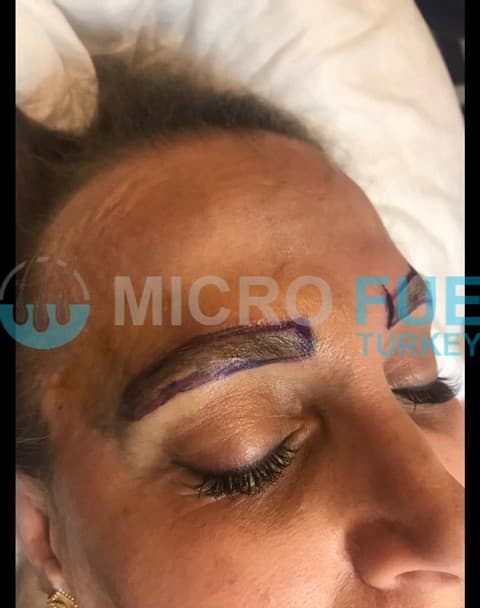
Eyebrow transplant techniques involve relocating hair follicles from a donor area (typically the scalp) to the brow region. Unlike traditional hair transplants, this procedure requires meticulous artistry to mimic natural brow patterns. Surgeons prioritize angle, direction, and density to ensure results blend seamlessly with existing hair.
Popular Eyebrow Transplant Techniques
Two primary methods dominate the field:
Follicular Unit Extraction (FUE)
FUE is a minimally invasive eyebrow transplant technique where individual follicles are extracted from the donor site using a micro-punch tool. These grafts are then implanted into tiny incisions in the brow area. Benefits include:
- No linear scarring.
- Faster recovery.
- Precision in hair placement.
Follicular Unit Transplantation (FUT)
FUT involves removing a strip of skin from the donor area, dissecting it into follicular units, and transplanting them. While effective, it leaves a linear scar, making it less ideal for short hairstyles. FUT is often chosen for larger sessions but is less common for brows due to the focus on subtlety.
Who Is a Good Candidate for Eyebrow Transplant Techniques?

Ideal candidates for eyebrow transplant techniques include those with:
- Sparse brows due to genetics, trauma, or over-tweezing.
- Sufficient donor hair (scalp or body).
- Realistic expectations about results.
- Good overall health to support healing.
A consultation with a certified surgeon is crucial to assess suitability.
The Eyebrow Transplant Procedure: Step-by-Step
- Consultation: The surgeon evaluates your goals, brow design, and donor hair.
- Anesthesia: Local anesthesia numbs the donor and recipient areas.
- Extraction: Follicles are harvested via FUE or FUT.
- Graft Preparation: Follicles are trimmed and sorted.
- Implantation: Grafts are placed at precise angles to mimic natural growth.
The entire process takes 2–4 hours, depending on the complexity.
Recovery and Aftercare Tips
Post-procedure care ensures optimal results:
- Avoid touching or wetting brows for 48 hours.
- Sleep elevated to reduce swelling.
- Refrain from strenuous activities for a week.
- Scabs will shed in 7–10 days; avoid picking them.
Most patients resume normal activities within a week. For detailed aftercare, explore our Post-Transplant Care Guide.
Results: What to Expect After an Eyebrow Transplant
Initial shedding of transplanted hairs is normal. New growth begins in 3–4 months, with full results visible after 9–12 months. Eyebrow transplant techniques yield natural-looking, permanent brows when performed by skilled surgeons.
Risks and Considerations
While safe, potential risks include:
- Temporary redness or swelling.
- Infection (rare with proper care).
- Uneven growth or scarring (minimized with FUE).
Discuss concerns during your consultation to mitigate risks.
Choosing the Right Surgeon for Your Eyebrow Transplant
Selecting a qualified professional is critical. Look for:
- Board certification in dermatology or plastic surgery.
- Extensive experience in eyebrow transplant techniques.
- A portfolio of before-and-after photos.
Learn how to verify a surgeon’s credentials here.
Conclusion
Modern eyebrow transplant techniques like FUE and FUT provide life-changing solutions for thinning brows. By understanding the process, recovery, and selecting a skilled surgeon, you can achieve natural, confidence-boosting results. Ready to take the next step? Schedule a consultation to explore your options.
Why is DHI the Best Technique for Eyebrow Transplants?
DHI is a highly advanced hair restoration technique that offers several benefits over traditional methods. Here’s why it stands out:
- High Precision with the Choi Implanter Pen:
- Unlike Follicular Unit Extraction (FUE), where hair grafts are extracted and then manually implanted, DHI uses a specialized tool called the Choi implanter pen.
- This tool allows surgeons to directly implant hair follicles into the brow area without creating recipient incisions beforehand, ensuring greater accuracy in placement, direction, and angle.
- Natural-Looking Results:
- The shape and density of the eyebrows are meticulously designed to complement the patient’s facial features.
- Since eyebrow hairs grow in different directions, the DHI method allows precise control over the angle and orientation of each implanted hair, resulting in an extremely natural appearance.
- Minimally Invasive with Fast Recovery:
- The DHI method does not require stitches, and there is minimal bleeding or scarring.
- Patients typically recover within a few days, with redness subsiding within a week.
- Higher Graft Survival Rate:
- Since the Choi pen implants the grafts immediately after extraction, graft survival rates are much higher compared to traditional eyebrow transplant methods.
- This ensures fuller and longer-lasting results.
- No Need for Shaving the Eyebrows:
- Unlike some FUE procedures that require partial shaving of the donor area, DHI can be done without shaving, preserving the patient’s existing eyebrow shape.
Alternative Techniques:
While DHI is the top choice, FUE (Follicular Unit Extraction) is also used for eyebrow transplants. However, FUE requires pre-made incisions for implantation, making it less precise than DHI.
Conclusion:
For the most natural, precise, and long-lasting eyebrow transplant results, DHI is the best technique. It provides better control over design, higher graft survival, and quicker recovery, making it the preferred choice for eyebrow restoration.