
Eyebrow Transplant Process and Recovery. Introduction to Eyebrow Transplant Process and Recover
Introduction to Eyebrow Transplant Process and Recovery
Eyebrow transplants have gained significant popularity among individuals looking to restore or enhance their eyebrows. Whether due to genetics, over-plucking, scarring, or medical conditions, an eyebrow transplant offers a permanent and natural-looking solution. Understanding the eyebrow transplant process and recovery is crucial for anyone considering the procedure.
What is an Eyebrow Transplant?
An eyebrow transplant is a minimally invasive surgical procedure that involves extracting healthy hair follicles from a donor area (typically the back of the scalp) and implanting them into the eyebrow region. The goal is to create fuller, natural-looking brows that complement the individual’s facial features.
The Eyebrow Transplant Process
Step 1: Initial Consultation
The journey begins with a consultation with a qualified hair restoration specialist. During this session:
- The surgeon assesses the patient’s eyebrow condition.
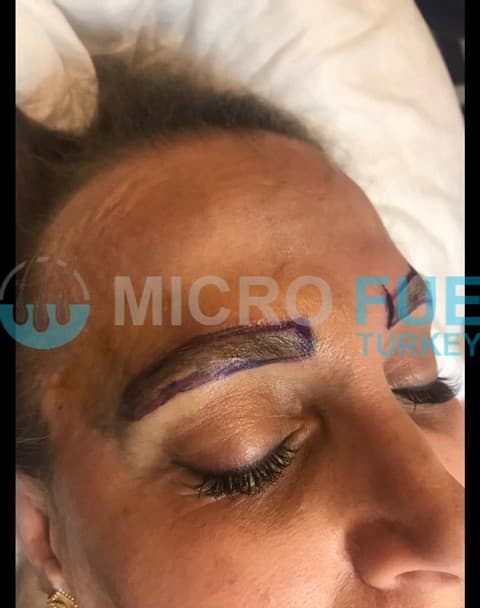
- A customized eyebrow shape is designed based on facial symmetry.
- The doctor discusses the expected outcome and recovery timeline.
- The patient receives pre-procedure instructions to ensure optimal results.
Step 2: Choosing the Donor Area
Since eyebrow hairs should closely resemble natural brow hair, the donor area is carefully selected. Typically, the nape of the neck or behind the ears is used because the hair texture closely matches eyebrow hair.
Step 3: Hair Follicle Extraction
The extraction process follows the Follicular Unit Extraction (FUE) method:
- The area is numbed with local anesthesia.
- Individual hair follicles are extracted using a micro-punch tool.
- The extracted grafts are prepared for transplantation.
Step 4: Graft Implantation
Once the donor follicles are ready, the implantation process begins:
- Tiny incisions are made in the eyebrow region, mimicking natural hair growth patterns.
- The follicles are implanted with precision to achieve a natural appearance.
- The entire procedure takes about 3 to 5 hours, depending on the number of grafts needed.
Step 5: Post-Procedure Care
After the surgery, patients receive detailed aftercare instructions, which play a crucial role in eyebrow transplant recovery.
Eyebrow Transplant Recovery Timeline
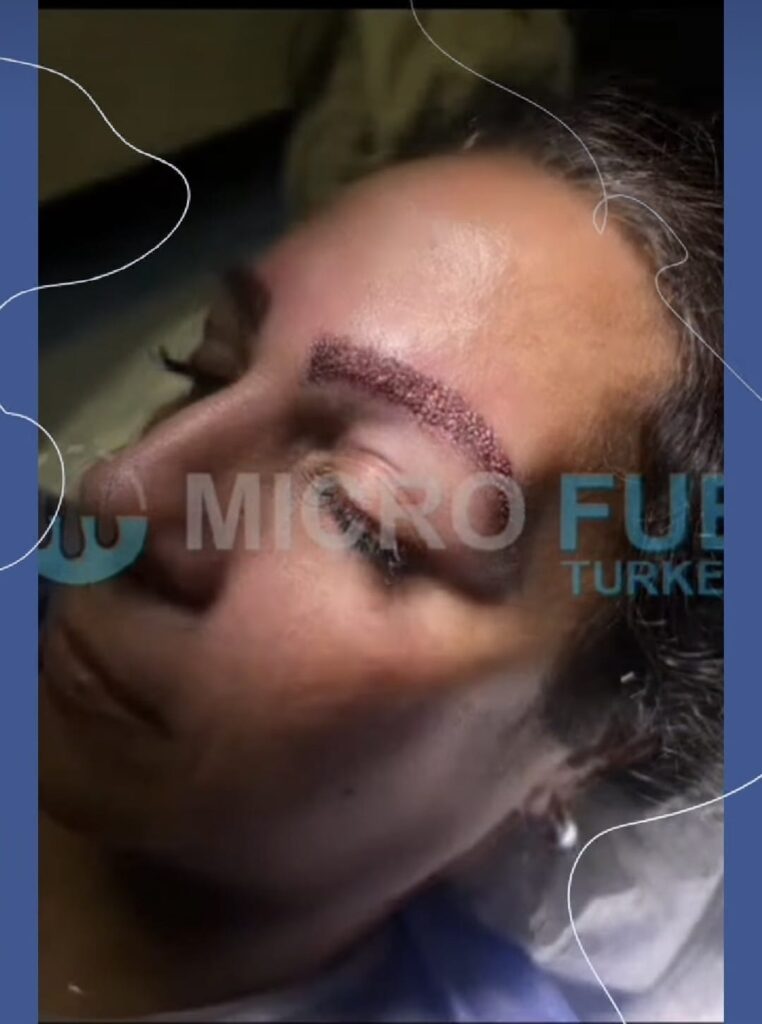
The recovery process is relatively straightforward, but patience is essential for optimal results.
Day 1-3: Immediate Post-Procedure Phase
- Minor redness, swelling, and scabbing are normal.
- Avoid touching, rubbing, or applying makeup to the area.
- Use prescribed antibiotics and topical ointments as directed.
- Sleep with an elevated head to minimize swelling.
- Eyebrow Transplant Process and Recovery
Week 1: Healing Begins
- Scabs and crusting start forming around the transplanted area.
- Some patients experience mild itching, which should be avoided to prevent damage to new follicles.
- Avoid strenuous activities and excessive sweating.
- Light facial cleansing is permitted with a gentle touch.
Week 2-4: Shedding Phase
- Transplanted hairs may begin to shed—a completely normal part of the process.
- The shedding occurs because the follicles enter a resting phase before new hair growth begins.
- Avoid exposure to direct sunlight and continue following aftercare guidelines.
Month 2-3: New Growth Stage
- Tiny new eyebrow hairs start emerging.
- The new hairs may appear thinner at first but will thicken over time.
- Regular trimming may be required as transplanted hairs grow longer than natural eyebrow hairs.
Month 4-6: Visible Improvement
- Eyebrows take shape, and results become more noticeable.
- Patients can start shaping and grooming their brows as desired.
- Any uneven growth is temporary; full results take up to 12 months.
Month 9-12: Final Results
- Full, natural-looking eyebrows are visible.
- The final density and shape become evident.
- The transplanted hairs permanently blend with existing brows.
Benefits of an Eyebrow Transplant
Permanent Solution
Unlike microblading or tattooing, an eyebrow transplant offers a long-lasting, natural solution.
Natural Appearance
Since real hair is used, the results are indistinguishable from naturally thick eyebrows.
Boosts Confidence
Full eyebrows frame the face and enhance one’s overall appearance, leading to greater self-confidence.
Potential Risks and Considerations
Although eyebrow transplants are safe, understanding potential risks is important:
- Temporary redness and swelling.
- Mild discomfort during recovery.
- Uneven growth, requiring minor adjustments.
- Possibility of infection if post-op care is not followed properly.
- Eyebrow Transplant Process and Recovery
How to Ensure a Smooth Eyebrow Transplant Recovery
Follow Aftercare Instructions
Adhering to the surgeon’s guidelines minimizes risks and promotes healing.
Avoid Sun Exposure
UV rays can cause hyperpigmentation and delay healing.
Be Patient with Shedding and Regrowth
Hair shedding is a natural part of the process before new growth begins.
Schedule Follow-up Appointments
Regular check-ups ensure progress is on track and any concerns are addressed promptly.
Eyebrow Transplant Process and Recovery
An eyebrow transplant is a transformative procedure that restores natural-looking, fuller brows permanently. By understanding the eyebrow transplant process and recovery, patients can set realistic expectations and achieve optimal results. For those considering this procedure, consulting with an experienced surgeon is the first step toward beautifully shaped, long-lasting eyebrows.